We believe...
Because emotions aren't the soft part of work.
They're the foundation of everything hard.
We believe emotions are the most human part of work. And the most ignored.
Organisations have spent decades measuring everything except what matters most: how people feel. Not because it isn't important. Because no one had a way to do it rigorously. That's what we exist to change. At riders&elephants we believe every person deserves to be heard, and every organisation deserves to understand what's actually driving it's people & performance.
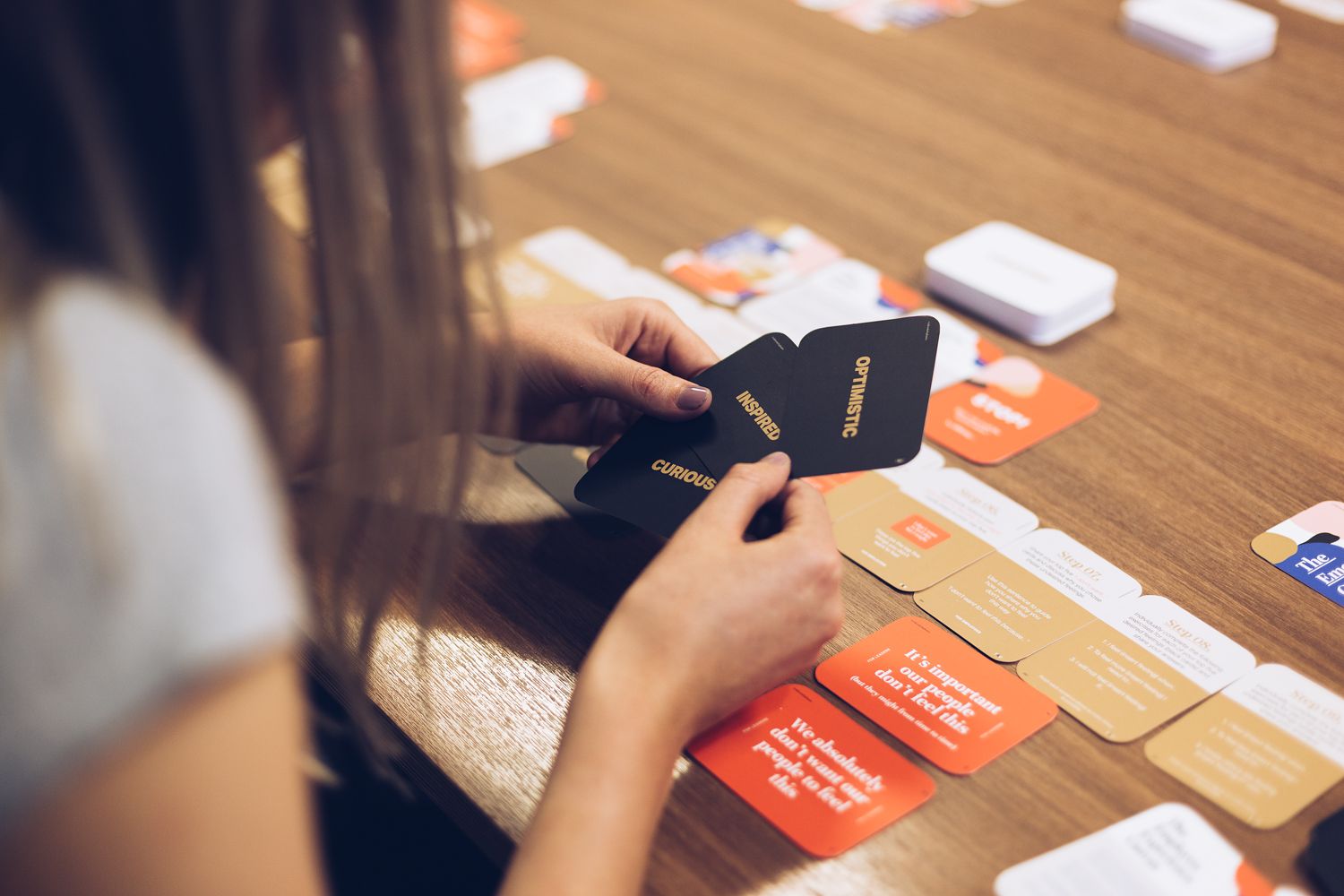
Emotion plays a huge part in how people make decisions and how they feel about the situations that affect them.
Trust. Psychological safety. Leadership confidence. Engagement. Conflict. These aren't soft concepts, they're the invisible architecture of every team's performance. When emotions are unnamed, unmeasured and unmanaged, organisations operate blind. When they're visible, they become the most powerful lever a leader has.
We believe the gap between where organisations are and where they could be is almost always emotional — and almost always measurable.
Most performance gaps aren't strategic or technical. They're emotional. The team that can't communicate. The culture that resists change. The leader who can't build trust. The customer experience that falls flat. The gap is emotional, and it's manageable & measurable. That's the opportunity no one else is taking seriously enough.

We believe human work should be measurable without becoming mechanical — and that moving emotions first, then proving what shifted, is how performance actually changes.
Moving emotions doesn't mean reducing people to data. It means having the rigour to prove what great facilitation, leadership and culture work actually does. We move first — get in the room, shift how people feel, then measure what shifted. Human enough to work anywhere. Rigorous enough to prove it happened.

The principles that guide everything we do at R&E
#1. If your people aren't engaged, your customers won't be either
Great organisations realise their people need to be at the heart of everything they do. They realise how central emotions are to building the right culture and stakeholder experiences.
When your people are engaged, they're more likely to find meaning in their work and turn up for themselves, your organisation and your customers.
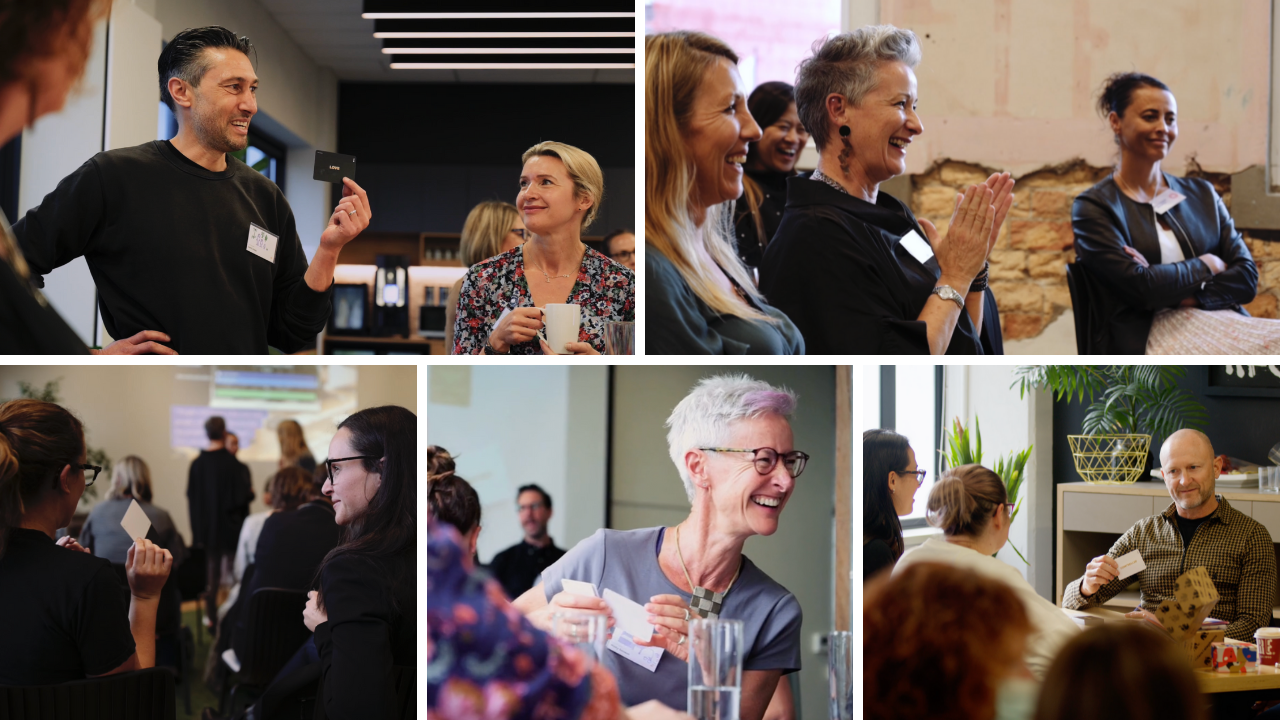
#2. People support what they create
No one engages with stuff they’re simply told or lectured about – because participation creates emotional engagement. We're tired of hearing people tell us "we keep telling our people, but they're not listening".
Great leaders intuitively create ways for people within their organisations to interact and connect with each other and their customers.
When we switch to a ‘participation mindset' away from a ‘communication mindset', we move from one-way communication to two-way conversation mode. If you create ways to invite people to join in, you'll strengthen emotional connections with people.

#3. Your brand is your culture, and your culture is your brand
Your culture guides how people behave and the experiences they deliver. Your brand is a reflection of how people behave and the experiences you deliver. They are interconnected. They are the same.

#4. Change your behaviour to change your thinking
It's not always possible to change the way you think and then change your behaviour. You often have to change the way you behave to change the way you think.
We shift mindsets and beliefs by understanding emotion and behaviour. Change and motivation happens at the intersections of psychology, behavioural economics, and creativity. This is why we put the understanding of human behaviour at the core of everything we do.
With this mindset, we solve problems through a combination of science and creativity.

#5. Simple is repeatable, and repeatable is understandable
Many organisations and leaders have an uncanny ability to overcomplicate their ideas, plans, and strategies.
Our rational minds are easily overwhelmed. People become paralysed when there's too much choice or complexity. So to help people understand, we must make sure the work we do is simple and repeatable.
We always look for ways to create mental short cuts to help people understand and recall what we’re asking of them.

#6. Hypothesise, experiment, learn & adapt
If you tackle too much at once, you overwhelm and paralyse people, pushing people to return to the status quo. So we always start with an hypothesis and design prototype experiences to test, learn and then adapt.
We believe you get better results when you start with a few smaller successes. By creating a bunch of smaller, modest experiments we test quickly and make progress faster. We learn more rapidly and create a bunch of smaller successes (and failures). These small bright spots provide a base for further expansion.